Planning Your Hatta Mountain Trip: What to Know Before You Go
Understanding the Terrain and Your Options
Hatta mountain dubai offers a landscape that is very different from the city's coastline and desert. The Hajar mountains rise sharply, with wadis, rocky slopes, and small pools carved by seasonal rain. Before you set out, it helps to know what kind of experience you want. Some visitors come for a gentle day out, stopping at the heritage village and the dam. Others want to hike, bike, or drive off-road. The choice affects when you go, what you wear, and what you bring.
Start by looking at the weather. From November to March, daytime temperatures are mild, making outdoor activity comfortable. In summer, the heat is intense, and the sun beats down on exposed rock. If you visit between June and September, plan your outing for early morning or late afternoon. Carry plenty of water regardless of the season. The dry air and physical effort can dehydrate you faster than you expect.
A good resource for trip ideas and practical information is hattamountaintourdubai.com. The site lays out the main attractions and helps you match them to your interests. Use it as a starting point to build a rough itinerary.
Choosing Your Activities
Hiking and Walking Trails
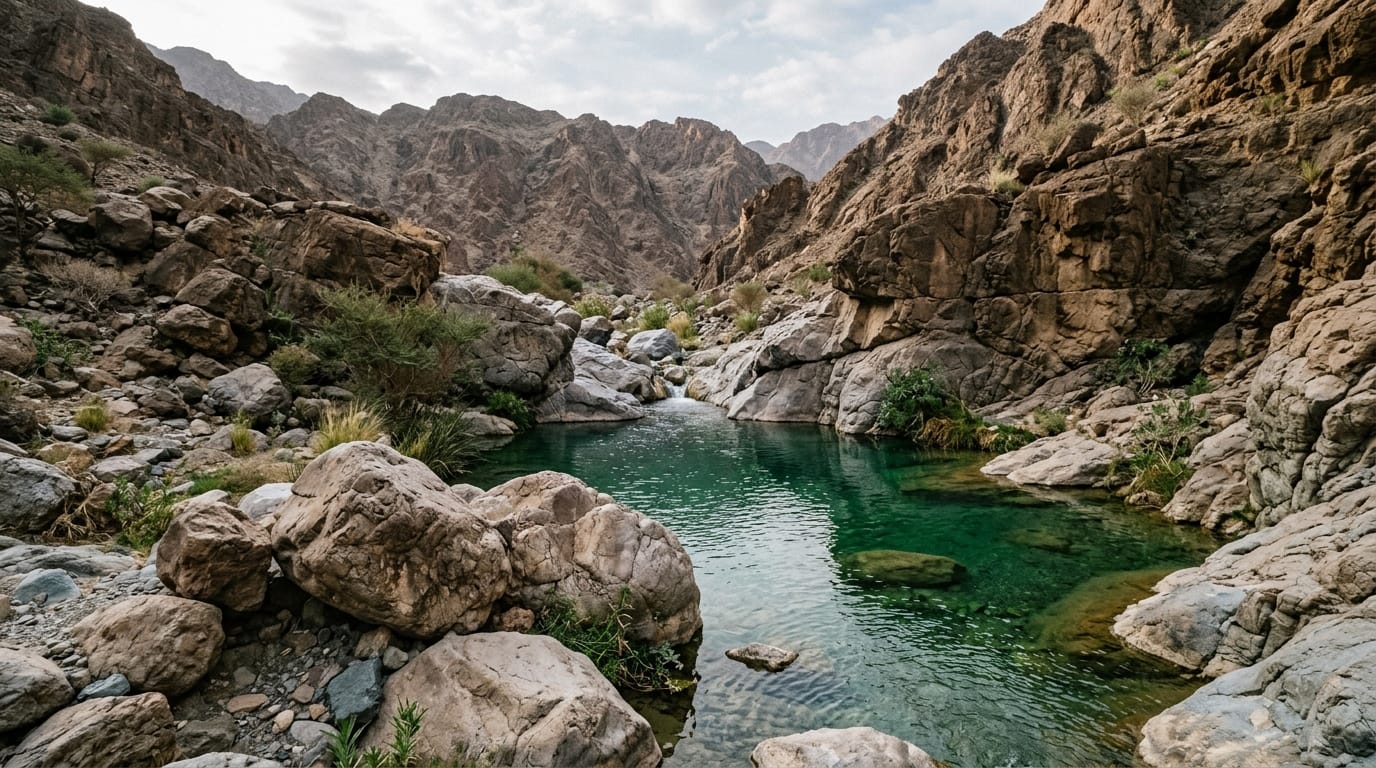
Hatta has several marked trails that range from short, easy walks to longer, more demanding routes. The Hatta Wadi Hub is a common starting point. If you are new to hiking in this terrain, pick a trail that is under five kilometres and has gentle elevation. The rocky ground can be uneven, so sturdy shoes with good grip make a big difference. Along the way, you will find shaded spots and small pools where you can rest. Check the trail status before you go; after rain, some paths can be slippery or blocked.
Cycling
The area around the dam has a dedicated cycle track. You can rent a bike at the Hatta Wadi Hub or bring your own. The track is mostly flat and runs past the water, which makes it a good choice for families or casual riders. More experienced cyclists might prefer the mountain biking routes that go into the hills. Those trails are steeper and rougher, so a mountain bike with decent suspension is advisable. Always wear a helmet, and carry a repair kit for punctures.
Kayaking and Paddleboarding
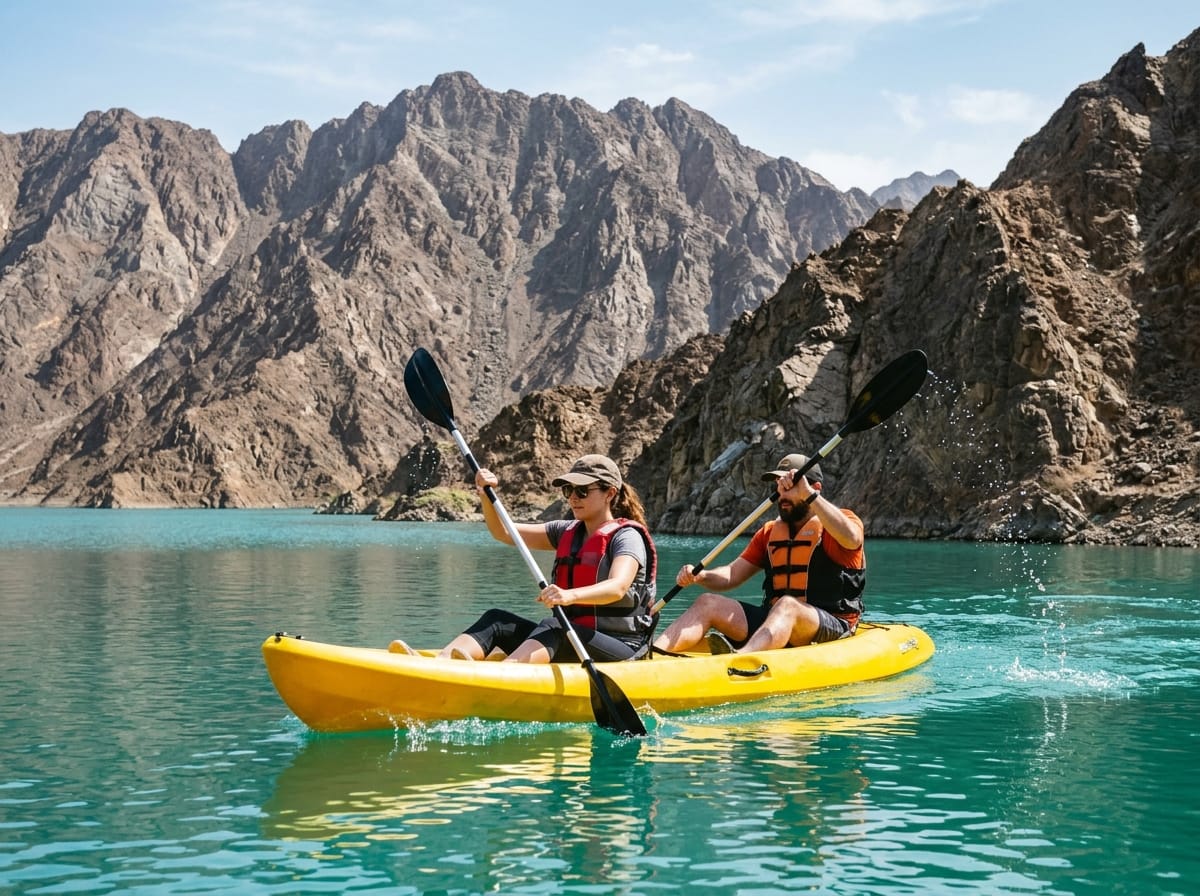
The Hatta Dam is a man-made reservoir set between the mountains. Kayaking and paddleboarding are popular here because the water is calm and the scenery is striking. You can rent equipment on site. If you have never paddled before, the dam is a forgiving place to learn. The water is not deep near the edges, and the rental operators give a quick safety briefing. Bring sun protection and a change of clothes. Even on a calm day, you may get splashed.
Off-Road Driving
The gravel roads and wadi beds around Hatta attract drivers with four-wheel-drive vehicles. If you plan to go off-road, make sure your vehicle has low-range gearing and good clearance. Drive slowly on loose stones, and avoid driving through water if you cannot see the bottom. The terrain can change quickly, and getting stuck is a real risk. Go with at least one other vehicle if possible. A GPS or a paper map of the area is useful because mobile reception can be patchy in the deeper valleys.
What to Pack and Wear
The mountains of Hatta are not as hot as the city, but the sun is still strong. Wear light, long-sleeved clothing that covers your arms and legs. This protects against sunburn and scratches from bushes. A wide-brimmed hat and sunglasses are essential. For footwear, closed-toe shoes with a solid sole are best. Sandals are fine for a short stop at the dam but not for walking on rocky trails.
Pack more water than you think you need. A good rule is one litre per hour of moderate activity. Electrolyte tablets or sports drinks help if you are sweating heavily. Snacks such as nuts, dried fruit, or energy bars are easy to carry and give you quick energy. A small first-aid kit with plasters, antiseptic wipes, and pain relievers is a sensible addition. If you are hiking, a whistle and a headlamp are lightweight items that can help in an emergency.
Getting There and Moving Around
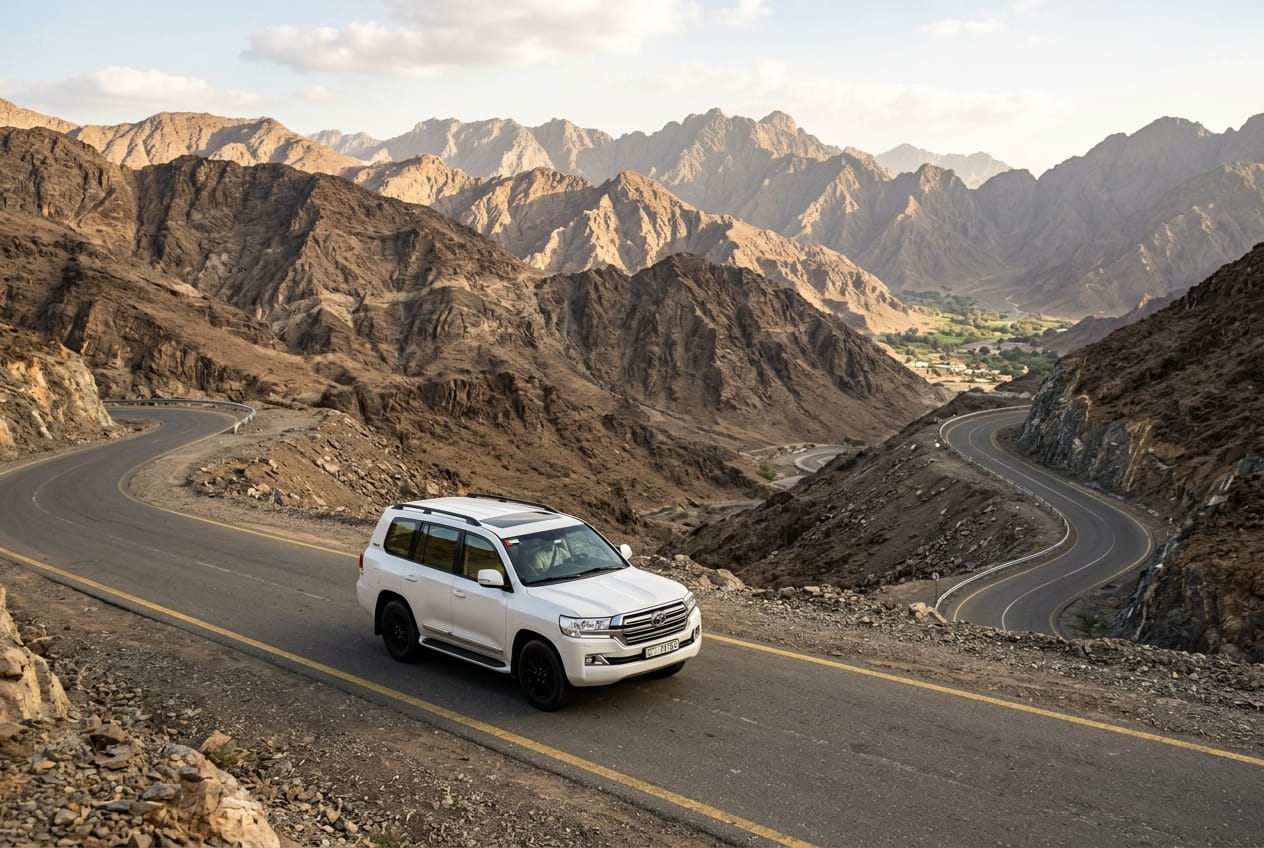
Hatta is about a 90-minute drive from Dubai city centre. The route follows the Dubai-Hatta Road, which is a well-maintained highway. As you get closer, the road winds into the mountains. The last stretch has some sharp curves, so drive at a moderate speed. Parking is available at the main attractions, including the Hatta Wadi Hub and the dam. During weekends and public holidays, the lots fill up early. Arriving before 9 am gives you a good chance of finding a spot.
Once you are in the area, walking or cycling between sites is possible if you plan a short route. For longer distances, you will need a car. There is no public transport within Hatta itself. If you do not have a car, consider joining a guided tour that includes transport. Many tour operators include pick-up from Dubai and a full-day itinerary. Hatta Mountain Tour Dubai is one of the names you may see when looking for such trips. As with any booking, check what is included and read recent reviews to confirm the details match your expectations.
Where to Eat and Take Breaks
There are a few cafes and small restaurants near the dam and the Hatta Wadi Hub. They serve snacks, sandwiches, and hot drinks. The menu is basic, so do not expect a full meal. If you have dietary requirements, it is wise to bring your own food. Picnic areas with tables and shade are available near the dam. You can sit there and eat while looking out over the water. Remember to take your rubbish with you; the bins fill quickly on busy days.
For a proper meal, the Hatta Fort Hotel has a restaurant that serves Middle Eastern and international dishes. It is a short drive from the main attractions. Booking ahead is recommended, especially at lunchtime on weekends. The hotel also has a small shop where you can buy snacks and drinks if you run low.
Staying Safe and Respecting the Environment
The mountains are a protected area. Do not litter, and do not remove rocks, plants, or wildlife. Stay on marked paths to avoid damaging the fragile desert crust. If you are driving off-road, keep to existing tracks. Creating new routes scars the landscape and can take years to recover.
Mobile phone reception is not reliable in all parts of Hatta. Download offline maps before you set off, and let someone know your planned route and expected return time. If you are hiking alone, a personal locator beacon or a satellite messenger adds an extra layer of safety. The emergency number in the UAE is 999 or 112 from a mobile.
Wildlife is present but not usually dangerous. You may see Arabian oryx, foxes, or various birds. Keep a respectful distance and do not feed them. Feeding wild animals can make them dependent on humans and can lead to aggressive behaviour.
Making the Most of Your Day
A well-planned trip to Hatta mountain dubai leaves you with time to enjoy the scenery rather than rushing between stops. Start early, take breaks in the shade, and allow for unexpected delays. The combination of water, rock, and sky creates a setting that feels far from the city, even though it is not far in distance. Whether you spend your time on the water, on the trail, or simply sitting and watching the light change, the pace is slower here. That is the main appeal.
If you are unsure about the logistics, a quick look at hattamountaintourdubai.com can give you a clearer picture of what to expect. The site gathers the essential facts in one place, so you can focus on enjoying your outing. With a little preparation, a day in the Hatta mountains becomes a memorable break from the everyday.